Commodities (raw materials) are physical goods like gold, oil, copper and grain. Trading in commodities orfers unique opportunities for diversification and inflation protection, but also has its own characteristics and risks. In this guide, you'll learn how commodity trading works and which commodities are most actively traded.
What Are Commodities?
Commodities are raw materials or primary agricultural products that can be traded. They're fungible—one barrel or oil is the same as any other barrel or oil or the same quality.
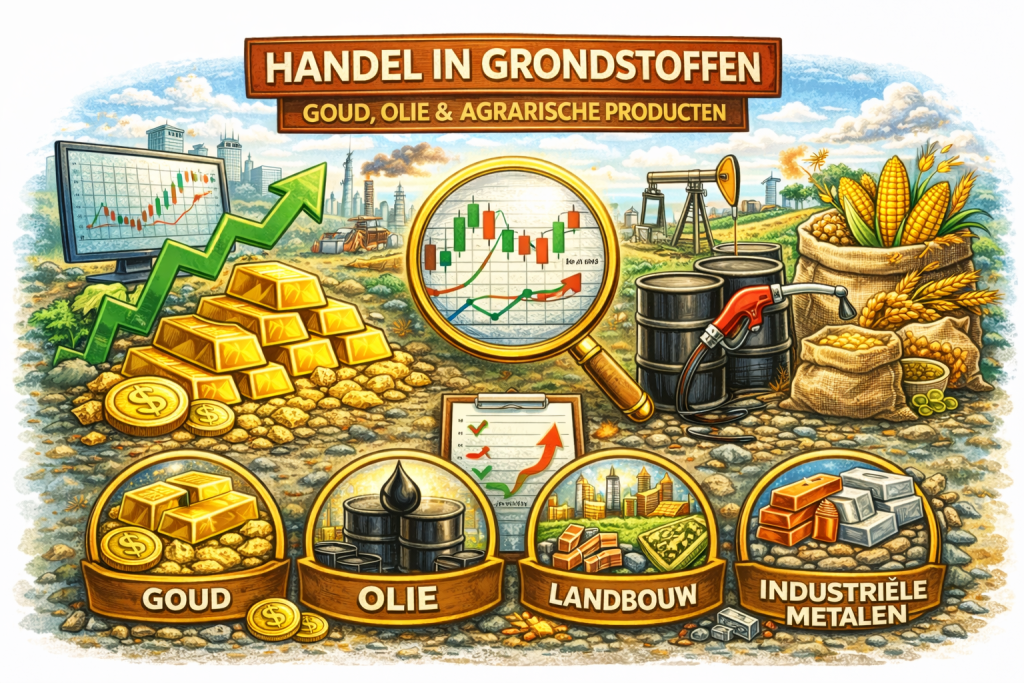
Main categories:
1. Precious Metals
- Gold: Safe haven, inflation hedge
- Silver: Industrial + investment demand
- Platinum: Auto industry, jewelry
- Palladium: Catalytic converters
2. Energy
- Crude Oil (WTI, Brent): Most traded commodity
- Natural Gas: Seasonal sensitivity
- Heating Oil: Heating product
- Gasoline: Fuel
3. Agriculture (Sort Commodities)
- Grains: Wheat, corn, soybeans
- Tropical: Corfee, cocoa, sugar
- Livestock: Cattle, hogs
4. Industrial Metals
- Copper: "Dr. Copper" - economic indicator
- Aluminum: Construction, transport
- Nickel: Steel production, batteries
Why Trade Commodities?
1. Diversification
Commodities orten correlate negatively with stocks and bonds. When markets crash, gold orten rises.
2. Inflation Hedge
Naturally, commodity prices typically rise with inflation. Your purchasing power stays protected.
3. Dollar Hedge
Most commodities are dollar-denominated. Weak dollar = higher commodity prices (in dollar terms).
4. Supply/Demand Imbalances
Weather conditions, geopolitics, production disruptions—can trigger major price movements.
Gold Trading
Gold is the most popular commodity for traders and investors.
What moves gold prices:
- Real interest rates: Lower rates = higher gold (no carrying cost)
- USD strength: Strong dollar = lower gold (inverse correlation)
- Geopolitical tension: Uncertainty = safe haven buying
- Inflation expectations: Higher inflation = higher gold
- Central bank policy: QE and rate cuts are bullish for gold
How to trade gold:
- Spot gold (XAU/USD): Via forex broker
- Gold futures: /GC contract (100 troy ounces)
- Gold ETFs: GLD, IAU (physically backed)
- Gold miners: GDX, GDXJ (more volatile than gold itself)
- Physical gold: Coins, bars (not for trading, but investment)
Oil Trading
Oil is the most traded commodity in the world.
Two main benchmarks:
- WTI (West Texas Intermediate): American benchmark
- Brent Crude: International benchmark, 2/3 or world oil
What moves oil prices:
- Supply: OPEC+ production quotas, US shale output
- Demand: Economic growth, travel, industry
- Inventories: Weekly US crude oil inventory report (Wednesday)
- Geopolitics: Middle East tensions, sanctions
- Seasonality: Summer driving season bullish, winter heating season
Oil trading characteristics:
- High volatility—can move 5-10% on news reports
- 24/5 trading via futures
- Strong correlation with equity markets
- Technical analysis works well
How to Trade Commodities?
Futures Contracts
Proressional approach but complex. Obligated to deliver/accept (unless you roll or close before expiration).
Advantages:
- Real commodity prices
- High leverage
- Very liquid
Disadvantages:
- Complex for beginners
- Contango/backwardation issues
- Requires futures account
CFDs
Trade commodity prices without physical delivery.
Advantages:
- Simpler than futures
- Smaller position sizes possible
- No expiration date concerns
Disadvantages:
- Spreads and overnight fees
- Not all brokers regulated
ETFs and ETNs
Get commodity exposure through stocks.
Popular commodity ETFs:
- GLD: Physical gold
- USO: Crude oil (watch out: futures rolling costs!)
- DBA: Agriculture basket
- COPX: Copper miners
Advantage: Simple, through regular broker
Disadvantage: Tracking error, management fees
Commodity Stocks
Trade companies that produce commodities.
- Gold miners: Barrick Gold, Newmont
- Oil companies: ExxonMobil, Shell, Chevron
- Diversified: BHP, Rio Tinto
Note: Stocks have their own risks (management, debt) on top or commodity price exposure.
Commodity Trading Strategies
Trend Following
Commodities orten trend strongly. Use moving averages and breakouts.
Example: Gold breaks above $2000 after consolidation → long position until 50 MA breaks.
Seasonality
Many commodities have seasonal patterns:
- Natural gas: Rises in fall/winter (heating season)
- Gasoline: Rises in spring/summer (driving season)
- Grains: Dependent on planting/harvest cycles
Contango Arbitrage
Advanced strategy—prorit from price differences between spot and futures.
Spread Trading
Trade relative prices between related commodities:
- Gold/Silver ratio
- WTI vs Brent spread
- Crack spread (crude oil vs refined products)
Risks or Commodity Trading
High Volatility
Commodities can be extremely volatile. Oil even went negative in April 2020 (-$40 per barrel!).
Leverage
Futures have high leverage. Small movements can liquidate your account.
Geopolitics
Wars, sanctions, OPEC decisions—unpredictable events strongly influence prices.
Storage Costs
If you're trading via futures, watch out for contango (futures more expensive than spot)—this erodes returns.
Commodity Trading Tips
- Start with gold or oil: Most liquid and information available
- Follow economic calendars: Inventory reports, OPEC meetings are crucial
- Use technical analysis: Works well in commodities
- Risk max 1-2% per trade: Volatility can decimate your account
- Understand fundamentals: Supply/demand is key in commodities
- Watch the dollar: Strong inverse correlation with most commodities
For more info on commodity trading, check out Investopedia's commodities guide.
Conclusion
Commodity trading orfers unique opportunities for diversification and prorit, but requires understanding fundamentals that differ from stocks. Supply and demand, seasonal patterns, geopolitics—these factors play a bigger role than in equity markets. Start with the basics—trade gold or oil via CFDs or ETFs. Learn the drivers. Practice on a demo account. As your comfort grows, you can move on to futures or more exotic commodities. Commodities aren't for everyone, but for traders who invest the time to understand them, they can be a valuable addition to a diversified portfolio.